
Train Together, Repair Better: UK Volunteers Powering Community Fixes
Today we’re focusing on volunteer training for common fixes in electronics, textiles, and small appliances at UK community repair events. Through practical guidance, safety-first habits, and friendly stories from bustling village halls, you’ll build confidence, share skills, and spark repair pride across neighbourhoods. Subscribe for updates, share your tips, and join our next session.
Getting Started with Safe, Confident Repairs
Begin by understanding the flow of a community session, the respectful culture of consent, and the boundaries of what volunteers attempt. With clear roles, risk assessments, and visible safety signage, everyone learns, contributes, and leaves feeling capable, supported, and optimistic.
Electronics: Diagnosing and Fixing Everyday Issues
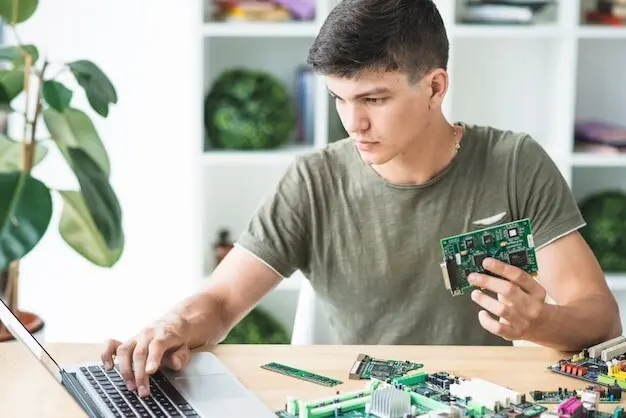
Most electronic problems reveal themselves through careful observation, conversation with the guest, and non‑invasive tests. Embrace slow looking, note smells or heat, question the history of faults, and escalate cautiously. You’ll model curiosity, preserve safety, and often rescue devices once considered hopeless.

Assessing Fabrics and Damage
Examine fibre content, weave, stretch, and previous alterations before proposing techniques. Ask about the garment’s story, care routine, and fit goals. With that context, you’ll recommend mends that respect fabric behaviour, anticipate stress points, and keep the owner feeling included, stylish, comfortable, and empowered.
Hand Stitches That Hold
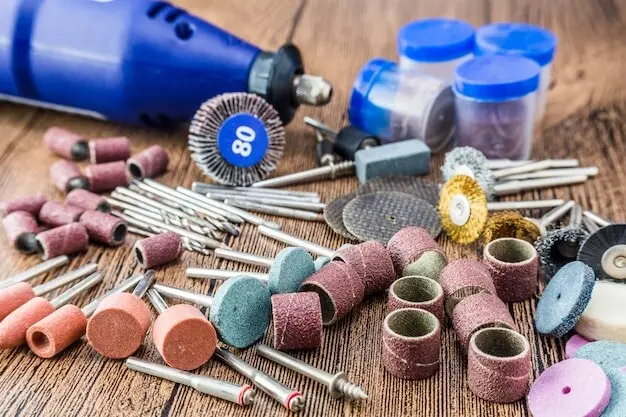
Teach running, backstitch, blanket, and ladder stitches with patient demonstrations and tactile practice swatches. Discuss thread choice, needle sizes, thimbles, and seam finishes. Encourage visible mending aesthetics when appropriate, showing how bold colour or thoughtful contrast can express identity while extending practical lifespan.
Finishing Touches and Care Advice
Reinforce pressing techniques, seam security checks, and laundering guidance tailored to fibres. Share stain‑removal basics and storage tips that prevent moth damage or distortion. Leave guests confident managing minor future issues, and knowing when professional tailoring or specialist cleaning delivers the best outcome overall.
Small Appliances: From Kettles to Toasters
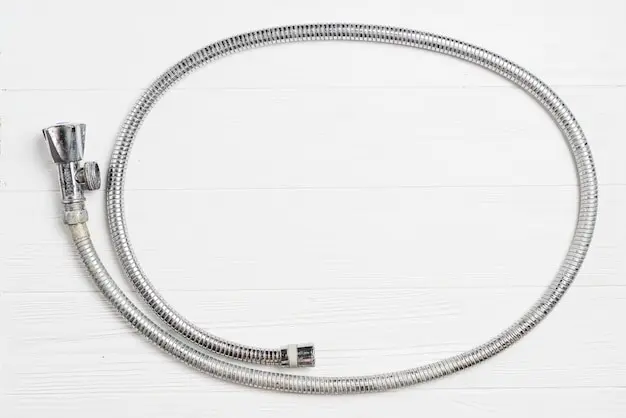
Mains appliances demand extra caution and clear boundaries. Focus on external checks, mechanical assemblies, and safe reassembly practices. Explain thermal cut‑outs, scale build‑up, and crumb‑trap hazards, while modelling refusal when casings are ultrasonically welded or safety features might be compromised during invasive interventions.

Event Flow, Inclusivity, and Community Impact
Successful events feel welcoming, organised, and equitable. Use accessible signage, quiet spaces, and diverse imagery. Invite intergenerational collaboration, celebrate first‑time fixers, and value translation or BSL support. Thoughtful flow transforms repairs into neighbourly connection, carbon savings, and pride rooted in local stories and places.
Welcoming Guests and Managing Expectations
Greet visitors promptly, explain the collaborative process, and gather consent to open items or take photos where appropriate. Share wait times transparently, triage fairly, and invite people to watch others. Turning queues into micro‑workshops keeps energy positive while reinforcing a learning‑first community culture.
Educating While Repairing
Narrate each decision, invite hands‑on participation, and pause to check understanding without rushing outcomes. Provide simple take‑home guides, QR codes, and next‑step suggestions. When a fix fails, frame insights as progress, so guests still leave empowered, informed, and ready to try again confidently.
Sourcing Parts, Documentation, and Ongoing Learning
Reliable parts, clear documentation, and friendly mentoring sustain progress between events. Build relationships with local recyclers, libraries of things, and independent shops. Use community forums thoughtfully, cite reputable resources, and organise skill‑share evenings that grow confidence, reduce waste, and welcome curious neighbours into repair culture.

Where to Find Parts in the UK
Share trusted suppliers, breakers, and charity shops, noting fair‑price expectations and warranty considerations. Highlight community swap boxes for cables, zips, and chargers. Encourage bulk purchasing through groups, and remind volunteers to verify compatibility, sustainability claims, and return policies before recommending anything to guests.

Repair Manuals and Digital Resources
Curate an evolving library of service guides, stitch references, and appliance care leaflets, hosted online and printed at events. Introduce The Restart Project, WRAP insights, and local council advice. Teach critical reading, cross‑checking, and respectful attribution so knowledge remains accurate, accessible, and shared.
All Rights Reserved.